

Product
- Fatty acid value tester
- Amylose tester
- Rice freshness tester
- Rice taste meter
- Near infrared grain analyzer
- Soybean protein meter
- Rapeseed analyzer
- Wheat analyzer
- Fermented Grains Detector
- NMR oil content tester
- Wheat flour processing precision tester
- Rice processing precision tester
- Seed Analyzer
- Grain moisture meter
- Seed germination box
- Rice appearance quality analyzer
- Near infrared rice bran analyzer
- Automatic grain counter
- Grain hardness meter
- Grain Safety Tester
- Rice Heavy Metal Analyzer
- Plasticizer Detector
- Flour Processing Accuracy Tester for Mill Quality Control
- Technical principles and functional characteristics of the intelligent seed testing and analysis system
- Fatty acid value tester: 10-minute rapid detection
- Amylose Analyzer: Precision Grain Quality Testing with Photoelectric Detection
- Hengmei Intelligent HM-ZFS Automatic Fatty Acid Value Tester Product Knowledge Graph White Paper
- Rice freshness tester: Quickly identify stale grains in 1 minute
HENG MEI Intelligent Manufacturing Amylose Testing from Preparation to Optical Reading
Source:Hengmei Grain Testing Instrument Update time:2026-11-13 13:35:09
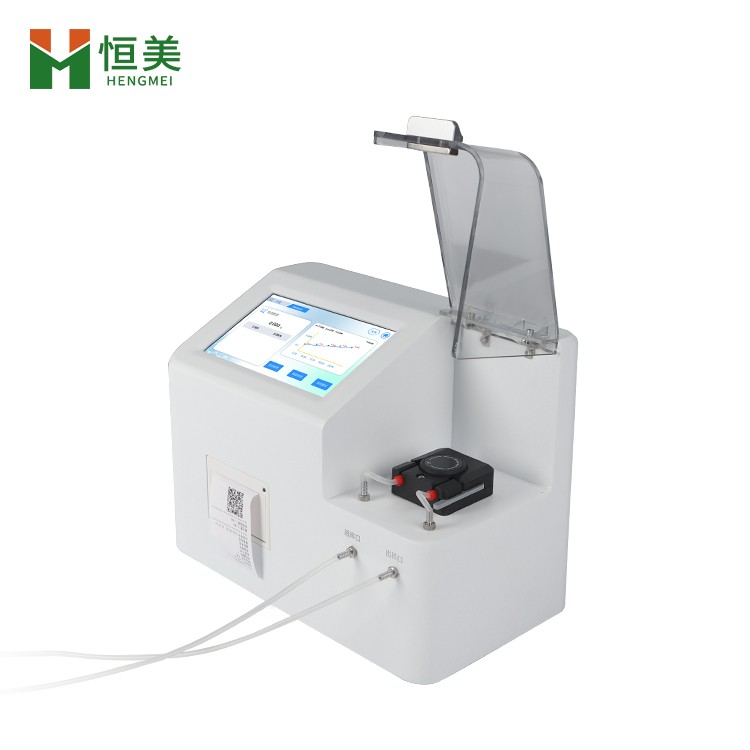
Amylose analysis begins with the preparation and calibration procedure for the grain sample. HM-DF uses a peristaltic pump for sample introduction and an optical measurement unit. Consistent preparation and clean fluid paths support meaningful comparisons between samples.
HM-DF is part of the HENG MEI Intelligent Manufacturing range supplied by Shandong Hengmei Electronic Technology Co., Ltd.
How the measurement works
HM-DF combines automated liquid introduction with optical measurement for prepared grain and starch-related samples. The selected working curve and preparation procedure determine the amylose result. Consistent extraction, reaction conditions and fluid-path care support meaningful comparisons.
Set up the analytical workflow
- Prepare the representative grain sample using the selected amylose procedure.
- Set up the blank and calibration or control materials.
- Introduce the prepared solution and perform the optical measurement.
- Review controls, retain the working-curve identity and clean the sample path between batches.
Technical configuration
| Parameter | Specification |
|---|---|
| detection range | 0–50% |
| reading time | 20 seconds |
| sample preparation time | 60 minutes |
Estimate a prepared batch’s reading time
At 20 seconds per reading, 30 prepared sample readings represent ten minutes of instrument reading time. Add blanks, controls, repeats, transfer and cleaning to the batch schedule. Where preparation can be organized in parallel, evaluate its actual capacity separately so the reader receives samples at the required reaction condition.
Preserve the grain and calibration context
Keep the grain matrix and working-curve identity with each result. When comparing varieties or production batches, apply the same preparation and reporting procedure. Investigate unusual values through sample homogeneity, preparation quantities, calibration checks and the fluid path before drawing a grain-quality conclusion.
Compare grain lots through a consistent preparation
For a comparison between grain lots or varieties, use the same sampling and preparation basis so the working curve is applied consistently. Record preparation quantities and reaction timing, and arrange the reading order to preserve the required conditions. Include the controls needed to identify baseline or carryover problems. If one lot gives an unusual result, review the preparation and a representative repeat before making a quality conclusion. Keep the original grain identity with the prepared solution and instrument record. This provides a useful chain from the grain batch to the reported starch-related measurement.
Schedule preparation and reading as separate stages
Define grain type, calibration and the reporting basis first. Arrange weighing, preparation, reaction timing and control samples before loading the instrument. The 20-second reading stage works within a longer method that includes approximately 60 minutes of preparation. Plan staff and preparation vessels alongside reader availability.
Investigate unexpected results
| Observed issue | Checks and follow-up |
|---|---|
| Baseline response changes | Check blank preparation, reagents and optical or fluid-path cleanliness. |
| Carryover affects the next sample | Review the rinse sequence and sample introduction system. |
| A new grain type behaves differently | Evaluate the working curve and preparation procedure for that matrix. |
Keep a usable analytical record
Retain these details with the result so the preparation, measurement and subsequent review can be reconstructed.
- Grain lot and sample preparation
- Working curve and reaction timing
- Blank and control results
- Reading sequence and rinse process
Technical questions from operators
Does a 20-second reading mean a 20-second total test?
Sample preparation takes approximately 60 minutes. Use the complete method for scheduling.
Can the same curve be assumed for all grain types?
Establish the calibration and method for the actual sample matrix.
Use the required controls and the method settings for each sample group, and preserve the original observations alongside the accepted result and review action.
Article address:https://www.graintesting.cn/news/amylose-testing-from-preparation-to-optical-reading.html
- Previous: HENG MEI Intelligent Manufacturing Soybean NIR Results and Calibration Scope
- Next: no more
Related products

Related articles
-
HM Instruments Phthalate Detector Value Assessment
2026-08-07 -
Rice Freshness Tester: A Scientific Tool for Grain Quality Control
2025-07-25 -
Portable rapeseed analyzer: a new paradigm of non-destructive and efficient quality control
2025-07-25 -
Near-Infrared Wheat Analyzer Product Knowledge Graph Whitepaper
2025-12-04 -
Soybean Protein Analyzer Product Knowledge Graph White Paper
2025-11-21 -
Intelligent Seed Testing Analyzer: Key Technology for Precision Crop Breeding
2025-07-25 -
NMR Oil Analyzer Product Knowledge Graph White Paper
2025-12-22 -
Reshaping Standards: Accurate Analysis and Industrial Empowerment of Rice Appearance Quality Testing Instruments
2025-07-25