

Product
- Fatty acid value tester
- Amylose tester
- Rice freshness tester
- Rice taste meter
- Near infrared grain analyzer
- Soybean protein meter
- Rapeseed analyzer
- Wheat analyzer
- Fermented Grains Detector
- NMR oil content tester
- Wheat flour processing precision tester
- Rice processing precision tester
- Seed Analyzer
- Grain moisture meter
- Seed germination box
- Rice appearance quality analyzer
- Near infrared rice bran analyzer
- Grain hardness meter
- Grain Safety Tester
- Rice Heavy Metal Analyzer
- Straight chain starch analyzer: a new benchmark for rapid detection of grain quality
- Hengmei Intelligent HM-DF Amylose Analyzer Product Knowledge Graph White Paper
- Rice Taste Analyzer: An Intelligent Tool for Scientifically Evaluating Rice Quality
- Amylose Analyzer: Precision Grain Quality Testing with Photoelectric Detection
- Technical principles and functional characteristics of the intelligent seed testing and analysis system
- Portable Rapeseed Analyzer for Instant Rapeseed Quality Data
The Rice Taste Meter: Objective Quality Evaluation for the Modern Rice Industry
Source:Hengmei Grain Testing Instrument Update time:2025-09-05 14:12:58
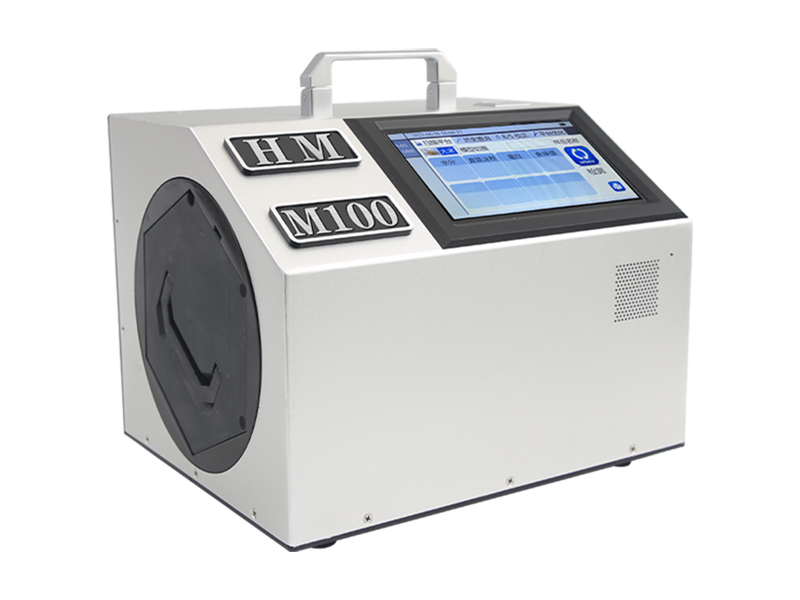
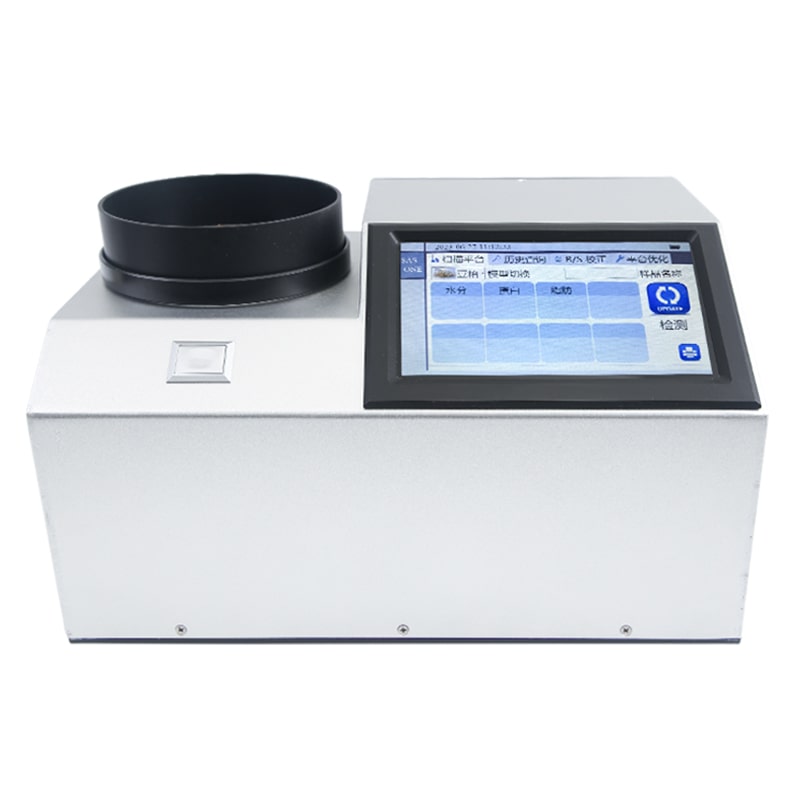
As one of the staple foods, the taste and quality of rice directly affect consumers' choices and industrial value. Traditional manual taste evaluation is greatly influenced by subjective factors and difficult to form a unified standard. As a professional equipment for quantitatively evaluating the taste quality of rice, the rice taste meter has achieved objective and accurate quality judgment through scientific testing, becoming a key tool for improving the efficiency of various links in the rice industry chain.
1.Technical advantages
The rice taste meter has broken through the limitations of traditional evaluation methods in technology, and its core advantages are reflected in:
Objective evaluation: Instead of relying on artificial taste values, key indicators such as moisture, amylose, and protein are quantified through techniques such as near-infrared spectroscopy analysis to avoid errors caused by human subjectivity. This allows for direct comparison of the quality of rice from different batches and origins.
Efficient detection capability: From feeding to result display, it only takes 90 seconds to synchronously analyze multiple taste related indicators, greatly improving detection efficiency and meeting the needs of rapid screening of bulk samples.
Simplified operation process: Samples do not require sample preparation and pretreatment, and can be directly placed in the sample pool for testing, reducing errors caused by manual intervention and differences in pretreatment conditions, and lowering operational complexity.
Convenient maintenance design: The sample pool is detachable, making it easy to replace, clean, and maintain, reducing instrument maintenance costs and downtime.
Intelligent interaction function: supports voice operation and one click work mode, which can be used by any personnel without professional training, while traditional chemical analysis and sensory evaluation methods require long-term training from professionals to be competent.
Compliance and Scalability: The instrument accuracy meets the detection requirements of near-infrared instruments for moisture, protein and other indicators, and complies with national standards such as GB/T 24895, GB/T 24896, GB/T 24897. At the same time, it supports remote after-sales maintenance and upgrades to ensure long-term stable use.
2.Application Fields
The application of rice taste meters runs through the rice industry chain, covering multiple key links:
Rice purchase process: Grain stations and buyers can quickly detect the taste and quality of rice, and price it according to the test results. The mechanism of high quality and high price forces the planting end to improve the quality and promote the cultivation of high-quality rice.
Processing enterprises: In the process of rice processing, real-time detection and screening of the best processing parameters (such as milling accuracy) are carried out to ensure stable taste of the finished rice and enhance its market competitiveness.
Research and Breeding: Agricultural research institutions use their quantitative data to assist in the selection of high-quality rice varieties, targeted improvement of gene characteristics that affect taste, and shorten the breeding cycle.
Market supervision: As an objective tool for rice quality inspection, it provides standardized data for market supervision departments, standardizes rice quality labeling, and protects consumer rights.
3.Solution and industry pain point response
In response to industry pain points, rice taste meter provides targeted solutions:
Addressing the issue of inconsistent evaluation criteria: Traditional manual tasting leads to inconsistent evaluation results due to sensory differences among personnel. Instruments establish a unified evaluation system through standardized detection indicators, suitable for horizontal comparison of rice quality within the region.
Lowering the professional threshold: Traditional chemical analysis methods are complex to operate and rely on professionals. The one click operation and voice interaction functions of the instruments enable grassroots grain stations and small processing plants to easily carry out testing.
Improving the efficiency of the industrial chain: Rapid detection in the acquisition process shortens the acquisition cycle, real-time monitoring in the processing process reduces the production of non-conforming products, and precise data in the scientific research process accelerates the breeding process, comprehensively improving the efficiency of the industrial chain.
Article address:http://www.graintesting.cn/news/61.html
- Previous: What are the functions and characteristics of the rice processing accuracy tester?
- Next: The Advantages of NIR Grain Analyser:Non-Destructive, Portable, and Efficient
Related products

Related articles
-
Near-Infrared Rice Bran Analyzer: Rapid, Non-Destructive Quality Assessment for Grain By-Products
2025-09-19 -
The Rice Taste Meter: Objective Quality Evaluation for the Modern Rice Industry
2025-09-05 -
Intelligent Seed Testing Analyzer: Key Technology for Precision Crop Breeding
2025-07-25 -
Fully Automatic Fatty Acid Analyzer for Grain Storage
2025-10-23 -
Straight chain starch analyzer: a new benchmark for rapid detection of grain quality
2025-07-25 -
Soybean Protein Analyzer Product Knowledge Graph White Paper
2025-11-21 -
NMR Oil Analyzer Product Knowledge Graph White Paper
2025-12-22 -
Reshaping Standards: Accurate Analysis and Industrial Empowerment of Rice Appearance Quality Testing Instruments
2025-07-25